INDUSTRIAL SOLVENT

STRATEGIES ARE SHIFTING

Manufacturing sectors are reassessing conventional solvent systems in response to evolving regulatory environments, internal sustainability targets, and rising performance expectations. Procurement and technical teams increasingly evaluate materials based on how they integrate into structured workflows rather than on isolated functional attributes.

Within this context, D-Limonene has gained relevance as a bio based solvent considered in industrial systems where compatibility and environmental positioning influence sourcing strategy.

D-Limonene citrus-derived solvent
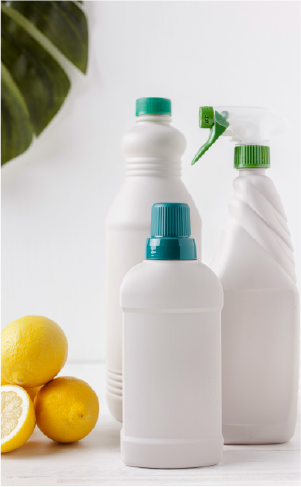
D-Limonene cleaning products and citrus
Spray application on foliage

INDUSTRIAL VALUE BEYOND

APPLICATION LISTS

Industrial teams evaluate D-Limonene not only by application, but by its contribution to overall system structure and performance. It supports multi-material compatibility, residue management, process cleanliness, and alignment with renewable input considerations.

Assessment increasingly focuses on system-level performance within cleaning programs, coatings production, extraction operations, and surface preparation environments.

Get Your Answers

UNIFORM RESULTS WHERE

VARIABILITY IS NOT AN OPTION

Across repeated production cycles, D-Limonene contributes to consistent material behavior in applications where performance must remain aligned with internal standards. Its interaction within industrial systems supports predictable outcomes during processing.

By integrating into existing workflows, this material helps reinforce process stability, particularly in environments where even minor variations can influence downstream results.

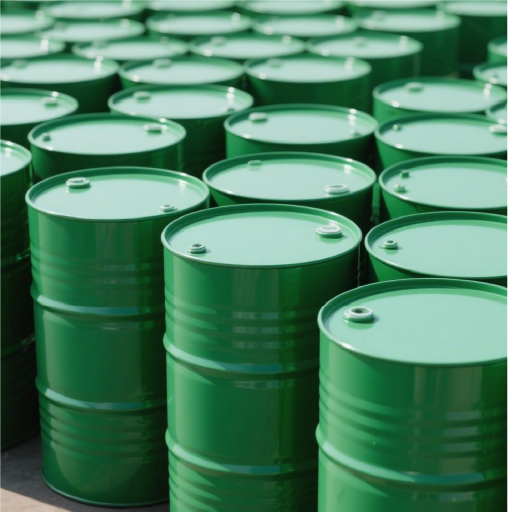
D-Limonene industrial barrels